Source casual velvet sweater and trousers set for retail, events, and loungewear
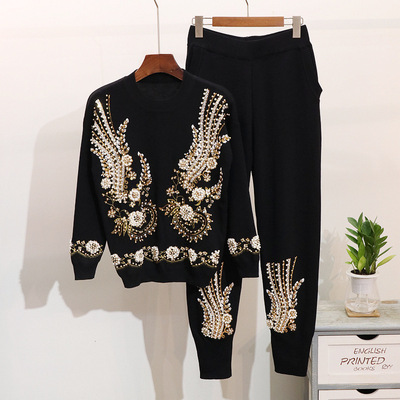
Explore 30 listings for a casual velvet sweater and trousers set featuring varied styles like turtleneck, crew neck, and cardigan options. Buyers can compare materials including acrylic and polyester blends, sizes from S to L, and customization availability across winter and summer collections.
Key considerations
Products List




Comprehensive Sourcing Guide
Casual Velvet Sweater and Trousers Set Sourcing Guide
Sourcing a casual velvet sweater and trousers set requires careful attention to material composition and seasonal appropriateness, as the provided data indicates a mix of winter-focused knitted items and summer-oriented polyester blends. Buyers must distinguish between genuine velvet textures and standard knit fabrics, noting that observed listings feature acrylic, polyester/cotton, and pure polyester materials rather than traditional velvet piles. This distinction is critical for defining product quality and ensuring the final garment meets the intended aesthetic and functional requirements for the target market.
The observed product range includes diverse styles such as turtleneck, crew neck, and cowl neck designs, with variations in sleeve length from long to cap sleeves. Procurement teams should verify whether the "velvet" descriptor refers to a specific fabric finish or if the actual items are knitted sweaters with a soft hand feel. Understanding these technical nuances helps in aligning supplier offerings with brand expectations, particularly when dealing with OEM customization options and specific model numbers like 477, 906, and 978 found in the current market listings.
Product Scope and Observed Listing Signals
The current market signals reveal a broad spectrum of women’s sweater sets, ranging from loose-fitting winter knits to crop-fit summer styles. Key attributes include striped, pure color, and patterned designs, with significant emphasis on matching sets that combine tops and bottoms. Buyers should note that while the core keyword suggests velvet, the observed data highlights acrylic and polyester/cotton blends, indicating that many suppliers may be offering knit alternatives that mimic the comfort of velvet without the specific pile structure.
Geographic origins are predominantly centered in Guangdong, China, with some listings specifying China as the broader origin. This regional concentration suggests a mature supply chain for knitwear and casual sets, offering competitive advantages in terms of production capacity and logistical efficiency. However, buyers must carefully review the specific material compositions listed for each model, as the presence of down linings in some polyester items contrasts sharply with the lightweight nature of typical summer sweater sets, requiring clear communication to avoid fulfillment errors.
Technical Specifications to Verify
Technical verification must begin with precise size and fit confirmation, as observed listings include sizes S, M, and L, alongside specific fit types like crop fit and loose styles. Buyers should request detailed size charts for each model number, such as 299 or 687, to ensure consistency across the production run. The presence of drop shoulder designs and various collar styles, including v-neck and round neck, necessitates clear technical packs that define seam allowances, sleeve lengths, and neckline finishes to prevent deviations from the approved sample.
Material specifications require rigorous scrutiny, particularly regarding the blend ratios of polyester, cotton, and acrylic. While some items are listed as pure polyester, others combine polyester with cotton or down, which significantly impacts care instructions and durability. Procurement teams must verify the fabric weight and stretch properties, especially for sets labeled as "loose sweater pants," to ensure they maintain their shape after washing. Confirming the exact composition prevents discrepancies between the ordered product and the delivered goods, safeguarding brand reputation.
Compliance and Safety Documentation
Compliance documentation is essential for ensuring that all sweater sets meet the safety standards of the destination market. Buyers must verify that the acrylic, polyester, and cotton blends used in production comply with flammability standards, such as those required for children’s sleepwear or general apparel in regions like the United States and the European Union. Although specific certification statuses are not provided in the observed data, suppliers should be required to provide test reports from accredited laboratories to confirm the absence of harmful substances like formaldehyde or heavy metals.
Labeling and care instructions must also be reviewed for accuracy, particularly for items with mixed materials or down linings. The observed packing methods, including polybags and air/sea freight options, suggest that packaging must protect the garments from moisture and damage during transit. Buyers should ensure that care labels are sewn in correctly and provide clear instructions for washing and drying, especially for delicate knitted items or those with button closures, to minimize customer returns due to improper care.
Cost Drivers and Commercial Terms
Cost drivers for casual sweater sets are heavily influenced by material selection, customization complexity, and order volume. The observed MOQ range of 1 to 1000 units indicates flexibility for small batch testing, but larger orders may benefit from economies of scale in fabric sourcing and production. Buyers should negotiate pricing based on the specific model and material, keeping in mind that items with complex features like cable knit patterns or drop shoulder designs may incur higher labor costs compared to basic crew neck styles.
Commercial terms should clearly define payment schedules, shipping responsibilities, and return policies. The observed packing standards, such as 1083 dimensions, suggest that logistics costs will be a significant factor in the total landed cost. Buyers must clarify whether the quoted prices include OEM branding services, such as custom labels or packaging, and ensure that any additional costs for customization are transparently listed. Understanding these financial dynamics helps in budgeting accurately and avoiding unexpected expenses during the procurement process.
Supplier Qualification and Quality Control
Supplier qualification should focus on verifying manufacturing capabilities and quality management systems. Buyers must assess whether the supplier has experience in producing knitwear and matching sets, particularly with the specific materials observed, such as acrylic and polyester blends. Requesting references from previous clients and conducting factory audits can provide insights into the supplier’s production capacity, lead times, and adherence to quality standards. This due diligence is crucial for ensuring consistent product quality and reliable delivery schedules.
Quality control measures should include pre-production sample approvals and in-line inspections during manufacturing. Buyers should define clear acceptance criteria for defects, such as stitching errors, color mismatches, or fabric imperfections, and communicate these standards to the supplier. Implementing a robust inspection protocol, including random sampling of finished goods before shipment, helps identify and rectify issues early in the process. This proactive approach minimizes the risk of receiving substandard products and ensures that the final goods meet the buyer’s expectations.
Long-Term Procurement Checks
Long-term procurement success depends on establishing strong relationships with suppliers and continuously monitoring performance. Buyers should conduct regular reviews of supplier quality, delivery times, and responsiveness to address any emerging issues promptly. Building a diversified supplier base can mitigate risks associated with single-source dependencies, ensuring continuity of supply even if one supplier faces production challenges. This strategic approach enhances supply chain resilience and supports sustainable growth for the brand.
Continuous improvement initiatives should include feedback loops from customers and internal teams to refine product specifications and supplier requirements. Buyers should stay informed about market trends and material innovations, such as new sustainable fabrics or advanced knitting techniques, to keep their product offerings competitive. By maintaining open communication with suppliers and investing in relationship management, buyers can foster collaboration that leads to better product quality, cost efficiency, and overall satisfaction in the long run.
FAQs
What materials are used for these sweater sets?
The products are made from acrylic, polyester, or a polyester cotton blend. Some items feature down lining for added warmth. These materials ensure durability and comfort for winter wear while maintaining a soft texture suitable for casual styles.
Which sizes are available for the sweater sets?
Available sizes include small, medium, and large to fit various body types. The collection offers a range of fits such as crop fit or loose styles. Buyers can select the specific size that matches their target demographic requirements for optimal sales.
Can I customize the design of the sweater sets?
Customization is available for these products to meet specific brand needs. Buyers can request OEM services to tailor designs according to their preferences. This flexibility allows for unique patterns, colors, and styles to be produced for your specific market.
How are the products packed for shipping?
Items are typically packed in polybags for individual protection. Shipping methods include air or sea freight depending on order volume and urgency. The standard packaging ensures the goods arrive safely while minimizing damage risks during long-distance transit.
What is the origin location of these manufacturers?
The products originate from Guangdong, China, a major manufacturing hub. This location provides access to established supply chains and efficient production capabilities. Buyers can expect reliable logistics and competitive pricing due to the concentration of textile factories in this region.
Which collar styles are offered in the collection?
The collection features various collar styles including turtleneck, crew neck, cowl neck, and v-neck options. These styles cater to different fashion trends and seasonal preferences. Buyers can choose the specific collar design that best suits their target customer base.
What is the minimum order quantity for these sets?
The minimum order quantity ranges from one to one thousand units depending on the supplier. This flexibility allows both small startups and large retailers to place orders. Buyers should verify the specific MOQ with the manufacturer before finalizing their purchase agreement.
Are these sets suitable for winter or summer seasons?
The collection includes options suitable for both winter and summer seasons. Winter items often feature thicker materials like acrylic or down lining for warmth. Summer options may use lighter fabrics to ensure comfort in warmer weather conditions.